
1. Introduction
Have you ever wondered how Rawalpindi plans to alleviate its growing traffic congestion? With the rapid urbanization and expanding population, Rawalpindi’s streets are becoming increasingly overcrowded. The solution to these traffic woes is the Rawalpindi Ring Road—a major infrastructure project designed to transform the city’s traffic flow and connectivity.
In this article, we will explore the Rawalpindi Ring Road project, including its key features, its necessity in easing traffic congestion, and the crucial role it will play in the city’s growth and development. We’ll also discuss why this project is so important not only for Rawalpindi but also for the entire region.
2. What is Rawalpindi Ring Road?
Overview of the Project:
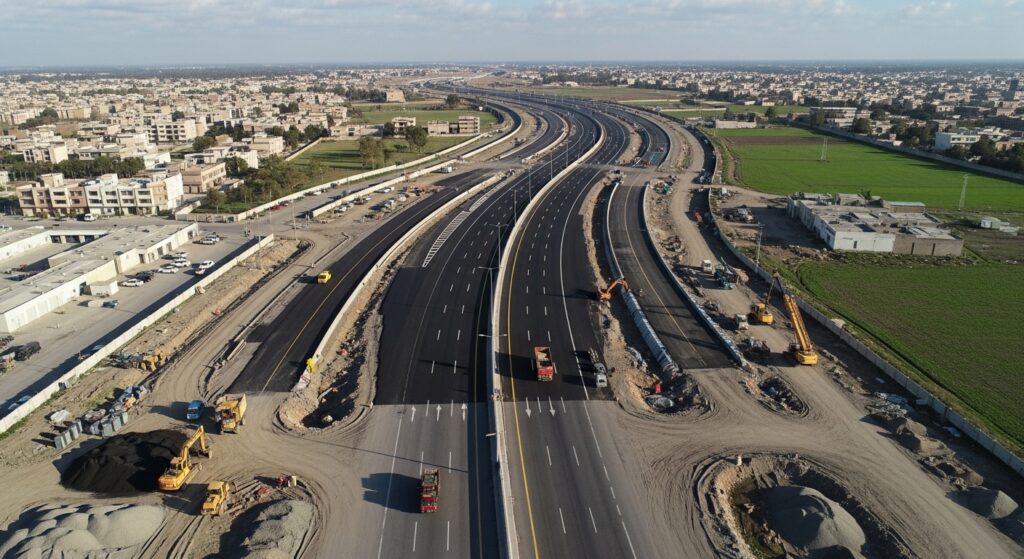
The Rawalpindi Ring Road is a major bypass road that will encircle Rawalpindi, connecting various parts of the city and surrounding areas. The road is designed to ease traffic congestion by diverting traffic from busy city streets and providing a more efficient route for commuters traveling through Rawalpindi.
- Size and Scope: The project will span over 38 kilometers, passing through critical sectors, connecting major roads, and alleviating pressure on Rawalpindi’s existing transportation infrastructure.
- Key Segments: The Ring Road will connect areas like M-1 Motorway, Murree Road, Airport Road, and GT Road, helping drivers avoid the city center.
- Expected Completion Timeline: Construction is expected to be completed in multiple phases, with full operational status anticipated in the coming few years.
Key Objectives:
- Improving Traffic Flow: By diverting heavy traffic away from city streets, the Ring Road aims to ease congestion and ensure smoother commutes.
- Connecting Urban and Suburban Areas: The Ring Road will help integrate Rawalpindi’s urban areas with its suburbs, making it easier for residents to travel to different parts of the city.
- Facilitating Economic Growth: With better infrastructure, the Ring Road is poised to boost local businesses, attract investment, and create new opportunities for economic growth in Rawalpindi.
3. Why Was Rawalpindi Ring Road Created?
Traffic Congestion in Rawalpindi:
- Overcrowded Streets: Rawalpindi faces severe traffic congestion, especially during peak hours. Major roads like Murree Road and Saddar area experience long traffic jams daily, leading to frustrating commutes for residents and visitors alike.
- Impact on Residents and Businesses: The ongoing congestion hampers daily life, as residents spend more time in traffic. Businesses also suffer due to delays in deliveries and difficulties in accessing markets.
Urbanization and Growth:
- Rapid Urbanization: Rawalpindi is one of the fastest-growing cities in Pakistan. As the population increases, traffic management becomes more challenging. The existing road network struggles to keep pace with this urban expansion.
- Need for Better Infrastructure: With the growth of industries and residential areas, Rawalpindi requires an upgraded transportation system to maintain its development trajectory.
Linking Rawalpindi to Key Areas:
- Proximity to Islamabad: Rawalpindi is located next to Islamabad, Pakistan’s capital city. Enhancing connectivity between the two cities is crucial for business, tourism, and daily commuting.
- Linking Nearby Towns: The Ring Road will also provide better access to surrounding towns like Taxila, Attock, and Murree, fostering better regional integration.
4. Key Features of Rawalpindi Ring Road
Route and Map:
- The Rawalpindi Ring Road will circle the city and connect major highways like the M-1 Motorway, GT Road, and Murree Road. The route will pass through residential, commercial, and industrial areas, ensuring that all major urban centers are linked.
Construction Phases:
- The project will be completed in several phases. The initial phases focus on land acquisition and road alignment, while subsequent phases will involve constructing bridges, interchanges, and roadbeds. As of now, the construction is progressing well with certain segments already underway.
Engineering and Design:
- The Ring Road will feature advanced engineering techniques, with modern road designs that include toll booths, underpasses, and elevated bridges. The design ensures smoother traffic flow while minimizing disruptions to local communities.
5. Why Is Rawalpindi Ring Road Important?
Traffic Management:
- Reducing Congestion: The Ring Road will divert heavy traffic from the city center, reducing congestion on streets like Murree Road and Saddar.
- Faster Commutes: With a more direct route around the city, commuters will save time, making travel to and from Rawalpindi much quicker.
- Improved Accessibility: The road will provide better access to all parts of Rawalpindi, including suburban areas that are often hard to reach due to traffic bottlenecks.
Economic Growth:
- Supporting Businesses: The Ring Road will provide businesses with quicker access to markets, suppliers, and customers, leading to greater efficiency and lower transportation costs.
- Boosting Real Estate Development: Areas surrounding the Ring Road are expected to see a surge in property values as better connectivity makes them more attractive to investors.
- Job Creation: The project will generate numerous job opportunities, both during construction and once the road is operational. Jobs in construction, retail, and service sectors are expected to rise.
Environmental Benefits:
- Reducing Pollution: With reduced traffic congestion, emissions from vehicles will decrease, contributing to better air quality in Rawalpindi.
- Sustainable Infrastructure: The project plans to incorporate green spaces and sustainable designs to mitigate environmental impact.
Enhancing Connectivity:
- Linking Rawalpindi and Islamabad: The Ring Road will improve travel between Rawalpindi and Islamabad, facilitating better commuting options for residents of both cities.
- Regional Integration: The road will also connect Rawalpindi with nearby towns and cities, helping to enhance economic and cultural ties across the region.
6. Future Prospects and Benefits
Improved Quality of Life:
- The Ring Road will make daily life more convenient for Rawalpindi residents by providing a faster, more efficient transportation route. This will reduce the stress of long commutes and allow more time for family, work, and leisure.
Potential for Regional Development:
- As the Ring Road stimulates economic activity, new commercial hubs, residential areas, and tourism opportunities will emerge along its path, helping to rejuvenate the local economy.
Long-Term Impact:
- The completion of the Ring Road will have lasting benefits for Rawalpindi’s infrastructure, economy, and quality of life. As the city grows, this road will be a vital component of its transportation system, supporting Rawalpindi’s evolution into a modern, interconnected metropolis.
7. Conclusion
The Rawalpindi Ring Road is more than just a road project—it’s a game-changer for the city’s future. It will reduce traffic congestion, improve connectivity, boost the economy, and enhance the quality of life for residents. As construction progresses, Rawalpindi is on track to become a more accessible, business-friendly, and sustainable city.